AI in supply chain optimization improves planning, forecasting, and efficiency using data-driven insights. This guide explains key concepts, benefits, and modern developments.
AI in supply chain optimization refers to the use of intelligent systems to improve the flow of goods, information, and operations across supply networks. Traditionally, supply chain processes relied on manual planning and historical data, which often led to delays and inefficiencies.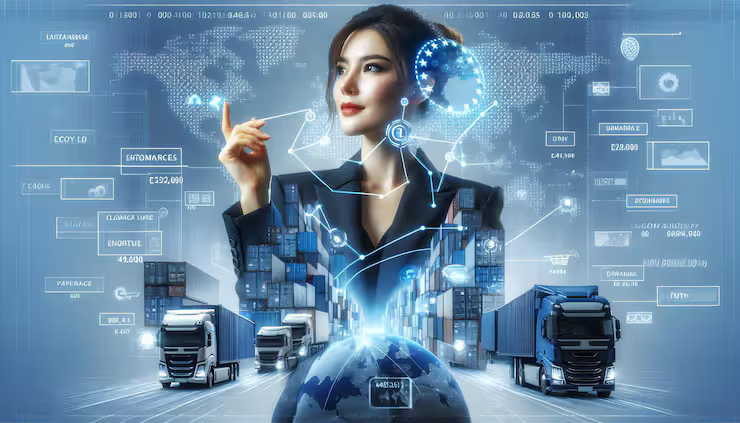
With the growth of artificial intelligence, supply chain optimization has become more advanced and dynamic. AI systems analyze large volumes of data from different sources, including demand patterns, inventory levels, and transportation activities. This helps organizations make better decisions in real time.
The concept of supply chain optimisation focuses on improving every stage of the supply process. From sourcing raw materials to delivering finished products, optimization techniques are applied to reduce delays and improve accuracy.
AI plays a key role in this transformation by identifying patterns and predicting outcomes. For example, ai in supply systems can forecast demand based on historical trends and current market conditions.
Another important aspect is the integration of different systems. AI connects various parts of the supply chain, allowing smooth communication and coordination.
Artificial chain processes are enhanced through automation and data analysis. This reduces the need for manual intervention and improves efficiency.
The goal of supply optimization is to ensure that the right products are available at the right time and place. AI helps achieve this by improving planning and reducing uncertainties.
Overall, AI in supply chain optimization exists to create more efficient, reliable, and responsive supply systems.
Importance
AI in supply chain optimization is important because it helps organizations manage complex operations more effectively and respond to changing conditions.
One of the main benefits is improved forecasting. AI systems can analyze data and predict demand more accurately, reducing the risk of shortages or excess inventory.
Another advantage is better decision-making. Real-time data analysis allows organizations to make informed decisions quickly.
Efficiency is significantly enhanced. Optimization techniques help streamline processes, reducing delays and improving productivity.
AI also improves visibility across the supply chain. Organizations can track operations and identify potential issues early.
Risk management is another key benefit. AI systems can detect disruptions and suggest alternative solutions.
Sustainability is becoming increasingly important. AI helps optimize resource usage and reduce waste.
Scalability is also improved. AI systems can handle large and complex supply networks without compromising performance.
Overall, AI in supply chain optimization helps organizations achieve better performance, reliability, and adaptability.
Recent Updates
In the past year, AI in supply chain optimization has seen several important advancements that highlight its growing role in modern operations.
One major trend is the use of real-time analytics. AI systems can now process data continuously, allowing faster decision-making.
Another update is the integration of machine learning models for demand forecasting. These models improve accuracy by learning from past data.
Automation has become more advanced. AI systems can manage inventory, scheduling, and logistics with minimal manual input.
There has been a growing focus on resilience. AI helps organizations prepare for disruptions by analyzing risks and suggesting contingency plans.
Cloud-based systems have improved accessibility and scalability. This allows organizations to manage supply chains from different locations.
Edge computing is also being used to process data closer to the source, reducing delays.
Sustainability initiatives are gaining importance. AI helps optimize energy usage and reduce environmental impact.
Another development is the use of digital twins. These virtual models simulate supply chain operations and help in planning and optimization.
These updates show that AI continues to transform supply chain optimization, making it more efficient and adaptable.
Laws or Policies
AI in supply chain optimization is influenced by various laws and policies related to data protection, trade, and technology.
Data privacy regulations require organizations to handle information responsibly. This includes protecting sensitive data and ensuring transparency.
Trade regulations affect how goods are transported across regions. AI systems must comply with these rules to ensure smooth operations.
Standards for logistics and transportation play an important role. These standards ensure safety and efficiency in supply chain processes.
Ethical guidelines are also important. AI systems should be designed to ensure fairness and avoid bias.
Governments are developing frameworks for the use of artificial intelligence. These frameworks aim to balance innovation with safety and accountability.
Compliance with these laws and policies is essential for organizations using AI in supply chain optimization.
Tools and Resources
AI in supply chain optimization relies on various tools and resources to support implementation and performance.
Data analytics tools are used to process and analyze large datasets. These tools provide insights that support decision-making.
Forecasting tools help predict demand and plan inventory levels.
Monitoring tools track supply chain activities in real time, improving visibility.
Simulation tools allow organizations to test different scenarios and optimize strategies.
Automation tools manage processes such as inventory control and scheduling.
Visualization tools present data in an easy-to-understand format, helping users interpret insights.
Learning resources such as training materials and tutorials provide knowledge about AI and supply chain optimization.
Templates and frameworks offer structured approaches for implementing optimization strategies.
Using these tools effectively can enhance the efficiency and reliability of supply chain systems.
FAQs
What is AI in supply chain optimization?
It is the use of artificial intelligence to improve planning, forecasting, and operations in supply chains.
How does AI improve supply chain performance?
AI analyzes data to predict demand, optimize processes, and reduce inefficiencies.
What are optimization techniques in supply chains?
These are methods used to improve efficiency, reduce delays, and enhance decision-making.
Can AI handle complex supply networks?
Yes, AI systems are designed to manage large and complex operations effectively.
Why is supply chain optimisation important?
It ensures smooth operations, reduces risks, and improves overall efficiency.
Conclusion
AI in supply chain optimization is transforming how organizations manage operations and plan for the future. By using intelligent systems and advanced optimization techniques, it enables more accurate forecasting, better decision-making, and improved efficiency.
The integration of ai in supply processes helps organizations adapt to changing conditions and handle complex challenges. It enhances visibility, reduces risks, and supports sustainable practices.
As technology continues to evolve, the role of AI in supply chain optimization will become even more significant. Its ability to analyze data, predict outcomes, and automate processes makes it a valuable tool for modern operations.
At the same time, responsible use is essential. Following laws, ensuring data security, and maintaining transparency are key to building trust and achieving long-term success.
Understanding AI in supply chain optimization provides valuable insights into how technology is shaping modern supply systems and improving operational performance.