Reinforcement learning in robotics helps machines learn actions through experience and feedback. This guide explains its role, importance, and latest developments in simple terms.
Reinforcement learning in robotics is a method where robots learn how to perform tasks by interacting with their environment. Instead of being programmed with fixed instructions, robots improve their behavior through trial and error. This approach is inspired by how humans and animals learn from experience.
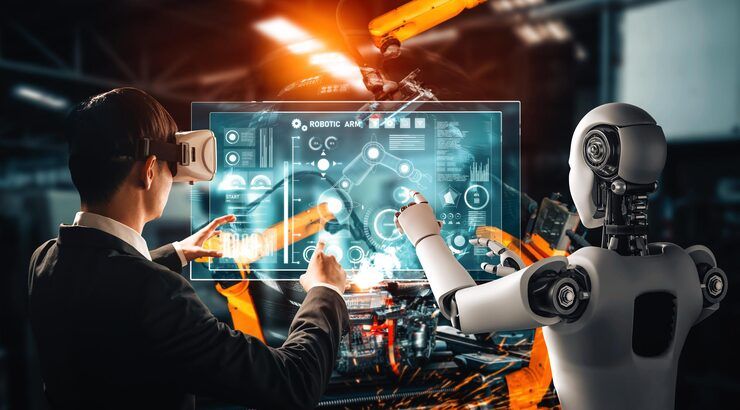
The concept of reinforcement is based on rewards and penalties. When a robot performs an action that leads to a positive outcome, it receives a reward. If the action leads to an undesirable result, it receives a penalty. Over time, the robot learns to choose actions that maximize rewards.
In traditional robotics, systems were designed with predefined rules. These systems could perform specific tasks but struggled to adapt to new situations. With the introduction of reinforcement learning, robots can now handle dynamic and unpredictable environments.
Learning in robotics has evolved significantly with the integration of artificial intelligence. Robots can analyze data, understand patterns, and adjust their actions accordingly. This makes them more flexible and capable of handling complex tasks.
Reinforcement learning involves three main components: the agent (robot), the environment, and the reward system. The agent interacts with the environment and learns from the feedback it receives. This continuous interaction helps the robot improve its performance.
One of the key advantages of reinforcement learning in robotics is its ability to learn without explicit programming. This reduces the need for detailed instructions and allows robots to develop their own strategies.
Overall, reinforcement learning exists to make robots more intelligent, adaptive, and capable of performing tasks in real-world environments.
Importance
Reinforcement learning in robotics is important because it enables robots to learn and adapt in ways that were not possible before. As technology advances, the need for intelligent and flexible systems continues to grow.
One of the main benefits is adaptability. Robots can adjust their behavior based on changing conditions, making them suitable for dynamic environments. This is especially useful in industries where tasks vary frequently.
Another important advantage is efficiency. Through reinforcement learning, robots can find optimal ways to perform tasks. This improves productivity and reduces unnecessary actions.
Autonomy is also enhanced. Robots can operate independently without constant human supervision. This is particularly valuable in environments that are difficult or dangerous for humans.
The ability to handle complex tasks is another key benefit. Reinforcement learning allows robots to manage tasks that involve multiple steps and decisions.
Learning from experience is a significant advantage. Robots continuously improve their performance by analyzing past actions and outcomes. This leads to better results over time.
Reinforcement learning also supports innovation in robotics. By enabling robots to learn and adapt, it opens up new possibilities for applications in various fields.
Overall, reinforcement learning plays a crucial role in making robotics more advanced and capable.
Recent Updates
In the past year, reinforcement learning in robotics has seen several important developments. These updates highlight the rapid progress in artificial intelligence and machine learning.
One major trend is the improvement in simulation environments. Researchers use virtual environments to train robots before deploying them in real-world settings. This reduces risks and speeds up the learning process.
Another update is the advancement of real-world learning. Robots are now better equipped to learn directly from their environment, improving their adaptability.
The integration of reinforcement learning with other AI techniques has also increased. Combining reinforcement learning with deep learning allows robots to process complex data and make better decisions.
There has been progress in collaborative robotics. Robots can now work alongside humans more effectively, learning from interactions and improving their performance.
Energy efficiency has become a focus area. New methods help robots learn optimal actions while minimizing energy consumption.
Safety improvements have also been introduced. Systems are designed to ensure that robots operate safely while learning and adapting.
Another important development is the use of reinforcement learning in specialized fields such as healthcare, manufacturing, and logistics. These applications demonstrate the practical value of this technology.
These updates show that reinforcement learning in robotics continues to evolve, offering more advanced and reliable solutions.
Laws or Policies
Reinforcement learning in robotics is influenced by various laws and policies related to artificial intelligence and robotics.
Safety regulations are important to ensure that robots operate without causing harm. These regulations define standards for design, testing, and deployment.
Data protection laws also play a role. Robots that collect and process data must follow guidelines to protect privacy and ensure responsible use.
Ethical guidelines are essential in the development of intelligent systems. These guidelines focus on fairness, transparency, and accountability in decision-making.
In many countries, governments are developing frameworks for AI technologies. These frameworks aim to balance innovation with public safety and trust.
Compliance with these laws is important for organizations working with reinforcement learning in robotics. It ensures responsible development and use of technology.
Tools and Resources
To work with reinforcement learning in robotics, various tools and resources are used to support learning and development.
Simulation tools are widely used to create virtual environments for training robots. These tools allow safe and efficient experimentation.
Data analysis tools help process information generated during learning. They provide insights that improve performance.
Visualization tools present data in a clear format, making it easier to understand robot behavior and progress.
Learning resources such as tutorials and training materials provide knowledge about reinforcement learning and robotics. These resources help individuals build their skills.
Frameworks and libraries offer structured approaches for developing reinforcement learning models. They simplify the implementation process.
Testing tools are used to evaluate robot performance and ensure reliability.
Using these tools and resources effectively helps improve the efficiency and success of reinforcement learning projects.
FAQs
What is reinforcement learning in robotics?
It is a method where robots learn tasks through interaction with their environment using rewards and penalties.
How does reinforcement learning work?
A robot performs actions, receives feedback, and adjusts its behavior to maximize rewards over time.
What are the benefits of reinforcement learning in robotics?
It improves adaptability, efficiency, and autonomy, allowing robots to handle complex tasks.
Is reinforcement learning safe for robotics?
Yes, when proper safety measures and regulations are followed, it ensures safe operation.
Where is reinforcement learning used in robotics?
It is used in industries such as manufacturing, healthcare, logistics, and research.
Conclusion
Reinforcement learning in robotics is transforming how robots learn and operate. By allowing robots to learn from experience, this approach makes them more intelligent and adaptable.
The integration of reinforcement learning with modern AI technologies has improved the capabilities of robotics systems. Robots can now handle complex tasks, adapt to new environments, and operate more efficiently.
As technology continues to evolve, reinforcement learning will play an even greater role in shaping the future of robotics. Its ability to improve performance and enable autonomous behavior makes it a key area of development.
At the same time, responsible use is essential. Following laws, ensuring safety, and maintaining ethical standards are important for building trust and achieving long-term success.
Understanding reinforcement learning in robotics helps individuals and organizations explore new possibilities and prepare for the future of intelligent systems.