Artificial intelligence is improving railway systems by enhancing safety, efficiency, and decision-making. This article explains how AI supports modern train operations and smarter railway networks.
Rail transport is one of the most widely used modes of travel across the world. It connects cities, supports trade, and helps millions of people travel daily. However, managing large railway systems can be complex. Trains must run on time, tracks must remain safe, and operations must be efficient.
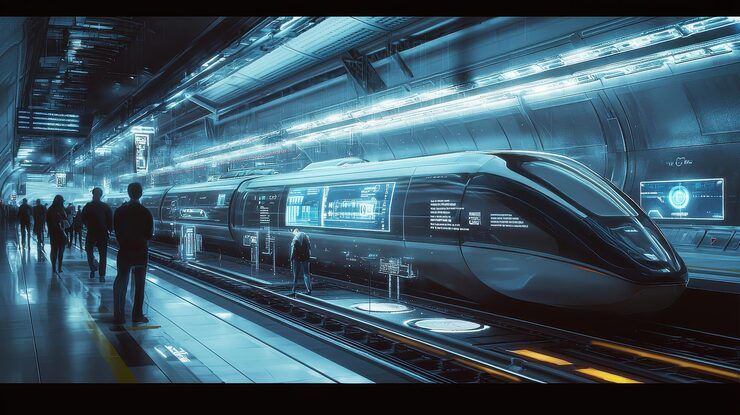
Artificial intelligence is helping solve these challenges. AI in railway systems focuses on improving how trains operate, how data is used, and how safety is maintained. By analyzing large amounts of information, AI helps railway operators make better decisions.
From metro rail networks in urban areas to long-distance train systems, AI is becoming an essential part of modern railways. It supports automation, predictive maintenance, and real-time monitoring. This leads to safer and more reliable train services.
Context
Railway systems have evolved significantly over time. Earlier, most operations were managed manually. Timetables, track inspections, and signaling relied on human effort. While effective, these methods had limitations in speed and accuracy.
With the growth of digital technology, railway networks started using automated systems. These systems improved efficiency but still depended on predefined rules. They could not adapt easily to unexpected situations.
AI brings a new level of intelligence to railway systems. It uses data from sensors, cameras, and control systems to understand patterns. This helps in predicting delays, identifying risks, and optimizing operations.
For example, AI can monitor the condition of tracks and trains in real time. It can detect small issues before they become major problems. This is especially useful in large train networks where manual monitoring is difficult.
In metro rail systems, AI helps manage passenger flow and train schedules. It ensures that trains run smoothly even during peak hours. This improves the overall travel experience.
The integration of AI into railway network operations marks a shift toward smarter and more adaptive systems.
Importance
AI in railway systems is important for several reasons. One of the main benefits is improved safety. Railways involve complex operations, and even small errors can lead to serious incidents. AI helps reduce these risks by monitoring systems continuously and detecting unusual patterns.
Another important aspect is efficiency. AI can optimize train schedules, reduce delays, and improve resource management. This ensures that train systems operate smoothly and passengers reach their destinations on time.
AI also supports predictive maintenance. Instead of waiting for equipment to fail, AI can predict when maintenance is needed. This reduces downtime and extends the life of railway assets.
The technology impacts both passengers and operators. Passengers benefit from safer and more reliable services. Operators benefit from reduced operational challenges and better decision-making.
In urban areas, metro rail systems rely on AI to handle high passenger volumes. AI helps manage traffic, reduce congestion, and improve service quality.
Sustainability is another important factor. Efficient railway systems consume less energy and reduce environmental impact. AI contributes to this by optimizing operations and reducing waste.
Overall, AI plays a key role in making railway systems safer, smarter, and more efficient.
Recent Updates
In recent years, there have been significant developments in AI applications for railway systems.
One major trend is the use of predictive analytics for maintenance. AI models analyze data from sensors to predict equipment failures. This approach has become more advanced in the past year, with improved accuracy and faster processing.
Another update is the use of computer vision systems. These systems use cameras and AI to monitor tracks, detect obstacles, and ensure safety. They can identify issues that may not be visible through traditional methods.
Automation has also progressed. Some train networks are using AI for semi-automated or fully automated operations. These systems reduce human intervention and improve consistency.
Real-time data integration is another important development. AI systems can now process data from multiple sources simultaneously. This allows better coordination across the railway network.
In metro rail systems, AI is being used to manage passenger flow more effectively. It helps in adjusting train frequency based on demand, reducing overcrowding.
Cybersecurity has also become a focus area. As railway systems become more digital, protecting data and infrastructure is essential. AI is being used to detect and prevent potential threats.
These updates show that AI is continuously evolving in the railway sector, bringing new capabilities and improvements.
Laws or Policies
Railway systems are governed by strict regulations to ensure safety and reliability. The use of AI must comply with these regulations.
Safety standards are a key part of railway operations. AI systems must meet these standards to ensure that they do not compromise safety. This includes testing, validation, and continuous monitoring.
In India, railway operations are guided by national policies that focus on modernization and safety. These policies encourage the use of advanced technologies, including AI, to improve railway systems.
Data protection laws also apply to AI systems. Since AI processes large amounts of data, it is important to ensure that this data is handled securely and responsibly.
International guidelines also influence the use of AI in railway systems. These guidelines promote transparency, accountability, and ethical use of technology.
Environmental regulations are another consideration. Railway systems must minimize their impact on the environment. AI supports this by improving efficiency and reducing energy consumption.
Overall, laws and policies ensure that AI is used responsibly in railway systems, balancing innovation with safety and compliance.
Tools and Resources
Several tools and resources support the use of AI in railway systems. These tools help in data analysis, monitoring, and system optimization.
Data analytics platforms are widely used to process information from railway systems. They provide insights that help improve operations and decision-making.
Machine learning frameworks are used to develop AI models. These models can predict delays, detect faults, and optimize schedules.
Simulation tools are also important. They allow railway operators to test different scenarios and understand how systems will respond. This helps in planning and improving efficiency.
Sensor technologies play a key role in data collection. Sensors installed on trains and tracks provide real-time information about system performance.
Control systems integrate data from various sources and ensure smooth operation of the railway network. AI enhances these systems by adding intelligence and adaptability.
Educational resources, such as training programs and technical guides, help professionals understand AI applications in railway systems. These resources support skill development and innovation.
By using these tools, railway systems can become more efficient, reliable, and intelligent.
FAQs
What is AI in railway systems?
AI in railway systems refers to the use of artificial intelligence to improve train operations, safety, and efficiency through data analysis and automation.
How does AI improve railway safety?
AI monitors systems in real time and detects unusual patterns. It can identify potential risks early and help prevent accidents.
What role does AI play in metro rail systems?
AI helps manage passenger flow, optimize schedules, and reduce congestion in metro rail systems, improving overall efficiency.
Can AI reduce train delays?
Yes, AI can analyze data and predict delays. It helps adjust schedules and improve coordination across the railway network.
Is AI used for railway maintenance?
AI supports predictive maintenance by analyzing equipment data and identifying issues before they lead to failures.
Conclusion
Artificial intelligence is transforming railway systems in many ways. It improves safety, enhances efficiency, and supports better decision-making. By using data and advanced algorithms, AI helps railway networks operate more smoothly.
From predictive maintenance to real-time monitoring, AI provides practical solutions to complex challenges. It supports both large train networks and urban metro rail systems.
Recent advancements show that AI will continue to play a growing role in railway systems. With proper regulations and tools, it can help create safer and more reliable transport systems.
As technology evolves, AI will remain an important part of modern railway infrastructure, contributing to smarter and more sustainable transportation.