Surgical robots with AI are transforming healthcare by improving precision, enhancing outcomes, and supporting safer, data-driven surgical procedures.
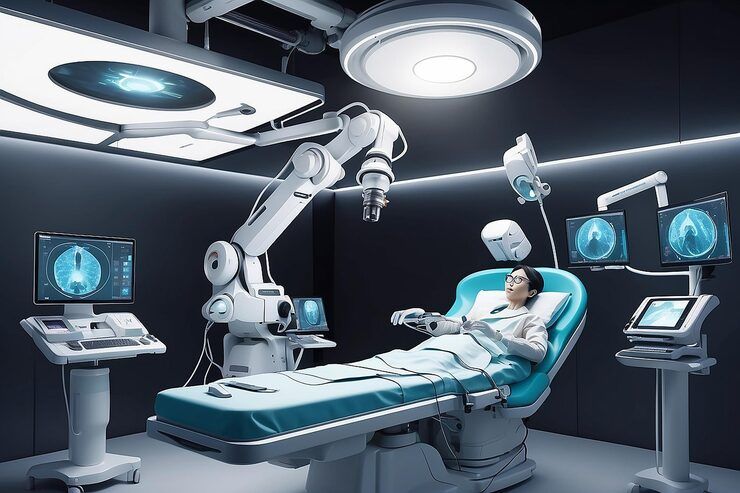
The healthcare industry has seen rapid technological advancements over the past few decades. One of the most significant developments is the use of surgical robots powered by artificial intelligence. These systems combine robotics with intelligent algorithms to assist medical professionals during surgical procedures.
Surgical robots are not designed to replace surgeons. Instead, they act as supportive tools that enhance precision and control. In traditional surgery, human limitations such as hand tremors or fatigue can affect performance. Robotic systems help reduce these challenges by providing steady, accurate movements.
Artificial intelligence adds another layer of capability. It allows robotic systems to analyze data, recognize patterns, and assist in decision-making. For example, AI can process medical images, identify critical areas, and guide surgeons during operations.
The concept of robotic surgery began with basic mechanical assistance. Over time, it evolved into advanced systems capable of performing complex tasks. Today, surgical robots with AI are used in various procedures, including minimally invasive surgeries.
The need for such technology arises from the demand for better patient outcomes, reduced recovery times, and improved surgical accuracy. As healthcare systems handle more complex cases, intelligent tools have become essential for supporting medical professionals.
Importance
Surgical robots with AI are important because they improve the quality and safety of medical procedures. They provide several advantages that benefit both patients and healthcare providers.
One of the key benefits is precision. Robotic systems can perform delicate movements with high accuracy. This is especially useful in procedures that require fine control, such as neurosurgery or cardiac surgery.
Another important aspect is minimally invasive surgery. Robotic systems allow surgeons to operate through small incisions. This reduces pain, lowers the risk of infection, and speeds up recovery time for patients.
AI also enhances decision-making. By analyzing data in real time, these systems can provide insights that help surgeons make better choices during procedures. This reduces the chances of errors and improves outcomes.
Consistency is another advantage. Unlike humans, robotic systems do not experience fatigue. This ensures stable performance throughout long surgeries.
Surgical robots also support training and education. They can simulate procedures and provide feedback, helping medical professionals improve their skills.
Overall, the importance of surgical robots lies in their ability to combine human expertise with technological precision, leading to better healthcare outcomes.
Recent Updates
In recent years, surgical robots with AI have seen significant advancements. These updates are shaping the future of medical procedures.
One major development is the integration of advanced imaging technologies. AI systems can now analyze high-resolution images and provide real-time guidance during surgery. This improves accuracy and reduces risks.
Another trend is the use of machine learning to enhance performance. Robotic systems can learn from previous procedures and improve over time. This makes them more efficient and reliable.
Remote surgery has also gained attention. With improved connectivity, surgeons can operate robotic systems from different locations. This opens new possibilities for healthcare access in remote areas.
There has also been progress in automation. While full automation is still limited, some systems can assist with repetitive tasks during surgery. This allows surgeons to focus on critical aspects of the procedure.
In the past year, there has been increased focus on safety and reliability. Developers are working on systems that can detect anomalies and respond quickly to unexpected situations.
These updates show that surgical robots with AI are becoming more advanced, making surgeries safer and more efficient.
Laws or Policies
The use of surgical robots with AI is regulated by strict laws and policies to ensure patient safety and ethical use.
Medical device regulations are a key part of this framework. Robotic systems must meet specific standards before they can be used in healthcare settings. These standards ensure that the systems are safe and effective.
Data privacy is another important consideration. AI systems often use patient data for analysis. Regulations require that this data is handled securely and used responsibly.
There are also guidelines for clinical testing. Before a robotic system is approved, it must undergo rigorous testing to demonstrate its reliability and performance.
Ethical considerations play a significant role as well. Policies emphasize that human surgeons must remain in control of procedures. AI systems are designed to assist, not replace, human decision-making.
In India, healthcare regulations focus on patient safety, data protection, and compliance with medical standards. Hospitals using robotic systems must follow these guidelines to ensure safe operations.
Overall, laws and policies aim to balance innovation with safety, ensuring that advanced technologies are used responsibly in healthcare.
Tools and Resources
Surgical robots with AI rely on a combination of tools and resources that support their functionality and effectiveness.
Imaging systems are essential for providing detailed views of the surgical area. These systems help guide robotic movements and improve accuracy.
Machine learning algorithms are used to analyze data and support decision-making. They enable the system to recognize patterns and provide insights during procedures.
Control interfaces allow surgeons to operate robotic systems. These interfaces are designed to be intuitive and provide precise control over movements.
Simulation tools are used for training purposes. They allow medical professionals to practice procedures in a virtual environment before performing them on patients.
Data management systems store and process information related to surgeries. This data is used to improve performance and support research.
Educational resources such as training programs and technical documentation are also important. They help healthcare professionals understand how to use these advanced systems effectively.
Together, these tools and resources make surgical robots with AI a powerful solution in modern healthcare.
FAQs
What are surgical robots with AI?
Surgical robots with AI are advanced systems that assist surgeons during procedures. They combine robotics and artificial intelligence to improve precision and decision-making.
How do robotic surgery systems improve outcomes?
They enhance accuracy, reduce human error, and support minimally invasive techniques. This leads to faster recovery and better patient outcomes.
Are surgical robots fully autonomous?
No, surgical robots are not fully autonomous. They operate under the control of trained surgeons and act as supportive tools.
Is robotic surgery safe?
Yes, robotic surgery is considered safe when performed by trained professionals. Systems are designed with safety features and must meet strict regulatory standards.
What is the future of surgical robots?
The future includes improved AI capabilities, better integration with imaging systems, and potential expansion of remote surgical procedures.
Conclusion
Surgical robots with AI represent a significant advancement in modern healthcare. They combine the precision of robotics with the intelligence of AI to support safer and more effective surgical procedures.
These systems improve accuracy, reduce risks, and enhance patient outcomes. They also support medical professionals by providing advanced tools for decision-making and training.
Recent developments have made these technologies more reliable and accessible. At the same time, strict laws and policies ensure that they are used responsibly and safely.
As technology continues to evolve, surgical robots are expected to play an even greater role in healthcare. They offer a promising future where advanced tools and human expertise work together to improve medical care.