AI is transforming robotics by enabling smarter automation and decision-making. This article explains how integrated systems improve efficiency, accuracy, and adaptability in modern environments.
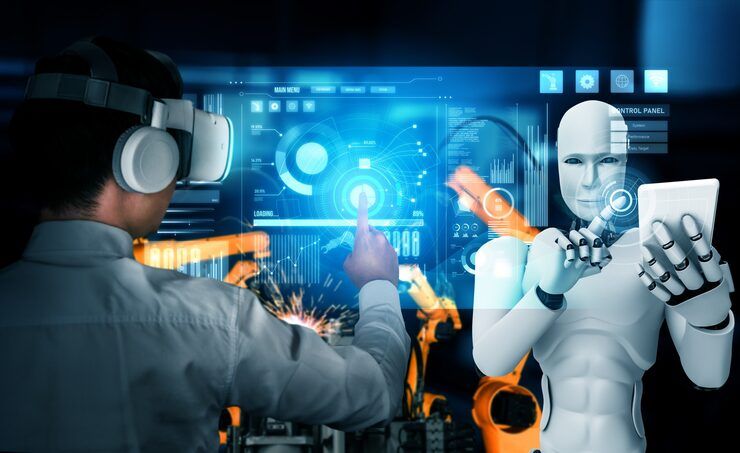
The integration of artificial intelligence with robotics has created a new generation of intelligent systems. Traditionally, robots were programmed to perform repetitive tasks with fixed instructions. They followed predefined rules and lacked the ability to adapt to changing environments.
With the introduction of ai in robotics, machines are now capable of learning from data and making decisions in real time. This shift has led to the development of smarter automation systems that can handle complex tasks with greater flexibility.
Robotics integration involves combining hardware systems with AI-driven software. This allows robots to process information, recognize patterns, and respond to different situations. For example, an ai robot can identify objects, navigate spaces, and adjust its actions based on real-time input.
The concept of ai and robotics working together is not new, but recent advancements in computing power and data availability have accelerated its growth. Today, ai process automation plays a key role in industries such as manufacturing, healthcare, logistics, and agriculture.
These systems are designed to improve efficiency while reducing manual effort. By integrating intelligence into machines, organizations can create more responsive and adaptive workflows. This makes robotics integration a key part of modern smart automation systems
Importance
The importance of robotics integration lies in its ability to enhance productivity and accuracy. In many industries, tasks require precision and consistency. AI-powered robots can perform these tasks with minimal errors, making processes more reliable.
One of the main benefits is adaptability. Traditional robots operate within fixed parameters, but AI-enabled systems can learn and improve over time. This allows them to handle dynamic environments where conditions may change frequently.
Another important aspect is efficiency. AI systems optimize workflows by analyzing data and identifying the best ways to complete tasks. This reduces delays and improves overall performance.
Safety is also a key factor. In environments where tasks may be hazardous, robots can take over dangerous operations. AI enhances their ability to detect risks and respond appropriately, creating safer working conditions.
The use of ai robotics also supports better decision-making. By analyzing large amounts of data, these systems provide insights that help improve operations. This is especially useful in industries where accuracy and timing are critical.
Overall, ai in robotics is important because it addresses modern challenges such as increasing demand, complex processes, and the need for continuous improvement.
Recent Updates
Over the past year, there have been several advancements in ai robotics technologies. These developments focus on improving intelligence, connectivity, and real-time processing.
One major trend is the use of advanced machine learning models in robotics integration. These models allow robots to learn from experience and improve their performance over time. In 2025, many systems began using adaptive algorithms that adjust to changing conditions.
Another update is the integration of vision-based systems. AI-powered cameras enable robots to recognize objects, detect defects, and navigate environments more effectively. This has improved accuracy in tasks such as sorting and inspection.
Edge computing has also gained attention. Instead of relying on centralized systems, robots can now process data locally. This reduces latency and allows faster decision-making, which is essential for real-time operations.
Collaboration between humans and robots has improved as well. New systems are designed to work alongside people safely. These collaborative robots use sensors and AI to understand human movements and avoid collisions.
Cloud integration is another key development. AI systems can connect to cloud platforms for data storage and analysis. This allows organizations to monitor operations remotely and gain deeper insights.
These updates show how robotics integration is evolving to meet the needs of modern automation systems.
Laws or Policies
The use of ai in robotics is influenced by various regulations and policies. These frameworks ensure that systems are safe, reliable, and used responsibly.
One important area is safety standards. Robots must meet specific guidelines to operate in industrial and public environments. These standards focus on preventing accidents and ensuring safe interactions with humans.
Data protection is another key consideration. AI systems collect and process large amounts of data, including operational and environmental information. Regulations require that this data is handled securely and used appropriately.
There are also policies related to automation and workforce impact. Governments are working to balance technological advancement with employment considerations. This includes promoting skill development and responsible adoption of automation technologies.
In countries like India, regulatory bodies emphasize safety, quality, and compliance in industrial automation. Organizations must follow these guidelines to ensure proper implementation of robotics systems.
Ethical considerations are also becoming important. AI systems must be transparent and accountable in their decision-making processes. This helps build trust and ensures responsible use of technology.
As robotics integration continues to grow, policies will play a crucial role in guiding its development and use.
Tools and Resources
To implement effective robotics integration, various tools and resources are used. These tools support development, monitoring, and optimization of AI-powered systems.
Simulation tools are widely used in robotics. They allow developers to test and refine systems in a virtual environment before deploying them in real-world settings. This reduces risks and improves performance.
Machine learning frameworks help in building AI models. These frameworks provide tools for data analysis, model training, and performance evaluation. They are essential for developing intelligent robotic systems.
Sensor technologies play a key role in data collection. Sensors capture information such as movement, temperature, and proximity. AI systems analyze this data to make informed decisions.
Control systems are used to manage robotic operations. These systems ensure that robots perform tasks accurately and efficiently. AI enhances these systems by enabling adaptive control and real-time adjustments.
Data analytics tools help monitor performance and identify areas for improvement. They provide insights into system efficiency, error rates, and operational trends.
Learning resources such as courses, documentation, and training materials support skill development. These resources help individuals understand how to design and manage AI-driven robotic systems.
By combining these tools, organizations can build robust and efficient automation systems that leverage ai and robotics effectively.
FAQs
What is AI in robotics integration?
AI in robotics integration refers to combining artificial intelligence with robotic systems to enable smarter decision-making and adaptive behavior.
How does AI improve robotic systems?
AI improves robotic systems by allowing them to learn from data, adapt to changes, and perform tasks with greater accuracy and efficiency.
Where is robotics integration commonly used?
Robotics integration is used in industries such as manufacturing, healthcare, logistics, agriculture, and transportation.
Are AI robots capable of independent decision-making?
AI robots can make decisions based on data and programmed models, but human oversight is often required for critical tasks.
What skills are needed to work with AI robotics?
Skills include understanding of programming, data analysis, machine learning, and system design.
Conclusion
AI in robotics integration is shaping the future of automation systems. By combining intelligent software with advanced hardware, these systems can perform complex tasks with precision and adaptability.
The use of ai robotics helps improve efficiency, safety, and decision-making across various industries. As technology continues to evolve, these systems will become more advanced and accessible.
At the same time, regulations and ethical considerations will guide their development. This ensures that AI-powered robotics systems are used responsibly and effectively.
Understanding robotics integration is important for anyone interested in modern technology. It provides insights into how intelligent systems are transforming the way tasks are performed and managed.