AI smart robotics digital systems are advanced technological frameworks that combine robotics, artificial intelligence, and digital systems to enable intelligent automation and decision-making. These systems process real-time data and improve operational efficiency in engineering environments. In modern technology, concepts such as ai smart, ai smart robotics digital systems, ai smart robotics, robotics digital systems, smart robotics digital systems, ai smart robotics digital, and smart ai technologies are shaping how machines operate and adapt.
AI smart robotics digital systems refer to integrated technological systems that combine robotics, artificial intelligence, and digital computing frameworks. These systems are designed to help machines operate intelligently, process data in real time, and adapt to changing environments.
In traditional robotics, machines were programmed with fixed instructions. They could perform repetitive tasks but lacked adaptability and learning ability. This made them less suitable for complex environments.
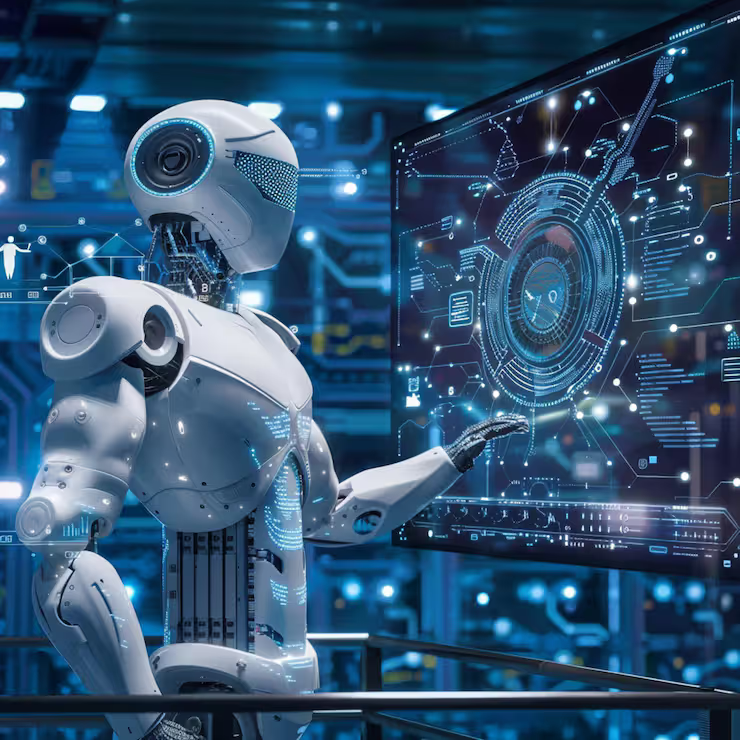
With the development of smart ai technologies, robotics systems have evolved significantly. Modern systems can now analyze large volumes of data and make decisions based on real-time inputs.
Artificial intelligence allows robots to process visual, sensory, and environmental data efficiently. When combined with digital systems, this creates a unified structure that supports automation and intelligent decision-making.
AI smart robotics digital systems are widely used in engineering because they improve precision, reduce manual effort, and enhance operational efficiency.
These systems exist to meet the growing demand for intelligent machines that can operate in dynamic and data-driven environments.
Importance
AI smart robotics digital systems are important because they improve how machines and engineering systems function.
One major benefit is automation. These systems allow machines to perform tasks without continuous human control.
Another key advantage is accuracy. Intelligent systems reduce errors by processing data more precisely.
These systems also improve efficiency. They can handle complex operations faster than traditional methods.
Adaptability is another important factor. Robots can adjust their behavior based on environmental changes and system inputs.
They also enhance productivity in engineering environments by reducing manual workload and improving operational flow.
Overall, AI smart robotics digital systems help create more intelligent, reliable, and efficient engineering solutions.
Recent Updates
In the past year, AI smart robotics digital systems have seen significant improvements due to advancements in artificial intelligence and digital technologies.
One major update is the use of real-time data processing. Systems can now analyze and respond instantly to environmental changes.
Another trend is the integration of advanced machine learning models that improve decision-making accuracy.
Edge computing has also become more widely used, allowing data to be processed closer to the source.
Digital twin technology has improved system simulation, helping engineers test robotic systems before deployment.
Improved sensor integration has enhanced the ability of robots to understand complex environments.
These developments show continuous progress in intelligent robotics and digital systems.
Laws or Policies
AI smart robotics digital systems are governed by various laws and policies to ensure safety, reliability, and ethical use.
Data protection regulations ensure that information collected by robotic systems is handled securely.
AI governance frameworks promote transparency and responsible use of artificial intelligence.
Safety standards in engineering environments ensure that robotic systems operate without causing harm.
Cybersecurity policies protect digital systems from unauthorized access and potential risks.
Industrial regulations define operational standards for robotics and automation systems in engineering applications.
These policies help ensure that AI smart robotics digital systems are safe, reliable, and ethically developed.
Tools and Resources
AI smart robotics digital systems rely on several tools and technologies to function effectively.
Artificial intelligence frameworks help in building intelligent decision-making models.
Robotics simulation tools allow testing of systems before real-world use.
Digital modeling tools support system design and engineering analysis.
Sensor technologies provide real-time environmental data for processing.
Data analytics tools help interpret large datasets for better decision-making.
These tools together support the development of advanced robotic and digital systems.
FAQs
What are AI smart robotics digital systems?
They are integrated systems that combine AI, robotics, and digital technologies for intelligent automation.
Why are these systems important in engineering?
They improve accuracy, efficiency, and automation in engineering processes.
How do these systems work?
They collect data, process it using AI algorithms, and make intelligent decisions.
Are these systems widely used?
Yes, they are used in modern engineering, automation, and industrial environments.
What is the future of these systems?
They are expected to become more advanced, efficient, and widely adopted in engineering applications.
Conclusion
AI smart robotics digital systems represent a major advancement in modern engineering and technology. By combining artificial intelligence, robotics, and digital frameworks, these systems enable intelligent automation and efficient decision-making.
They improve productivity, reduce errors, and enhance adaptability in complex environments. As technology continues to evolve, these systems will play an even greater role in engineering growth and innovation.
However, their development must follow proper policies, ethical standards, and safety guidelines. Responsible implementation ensures long-term reliability and trust.
Overall, AI smart robotics digital systems are shaping the future of intelligent engineering and advanced automation.